
Laparoscopic appendectomy (LA) is a minimally invasive surgical technique for removing the inflamed appendix, which has become the preferred approach over the traditional open appendectomy (OA) in many cases of acute appendicitis. Appendicitis is the inflammation of appendix. In this blog post, I will provide an overview of the evolution of LA, from its historical origins to its current practice and future prospects.
The First Laparoscopic Appendectomy
The first laparoscopic appendectomy was performed by Kurt Semm in 1980, who was a pioneer of laparoscopic surgery and gynecology. He used a modified laparoscope, a monopolar coagulator, and an endoloop to successfully remove the appendix through a single umbilical incision. His technique was initially met with skepticism and criticism from the surgical community, but it gradually gained acceptance and popularity as more studies showed its advantages over OA.
The Benefits of Laparoscopic Appendectomy
LA is a minimally invasive surgery that has many benefits over the traditional open appendectomy (OA), which involves a larger incision in the abdomen. Some of the benefits of LA are:
Less postoperative pain:
LA causes less tissue damage and inflammation than OA, which may lead to less pain and discomfort after the surgery. LA may also reduce the need for pain medication and the risk of addiction or side effects.
Shorter hospital stay:
LA may allow the patient to leave the hospital sooner than OA, as LA has a faster recovery time and lower infection rates. LA may also reduce the costs and the impact on the patient’s work and family life.
Lower wound infection rate:
LA has fewer and smaller incisions than OA, which may reduce the risk of wound infection, bleeding, and hernia. LA may also improve the cosmetic outcome, as it leaves smaller and less visible scars on the abdomen.
Better visualization and diagnosis:
LA uses a camera and a monitor to see inside the abdomen, which may allow for better visualization of the appendix and the surrounding organs. LA may also help diagnose other conditions that may mimic appendicitis, such as ovarian cysts, ectopic pregnancy, or Meckel’s diverticulum.
Reduced incidence of ileus and adhesions:
LA may prevent or reduce the occurrence of ileus and adhesions, which are common complications of OA. Ileus is the loss of movement in the intestines, which may cause nausea, vomiting, and constipation. Adhesions are bands of scar tissue that may form between the organs and cause pain, obstruction, or infertility.
The Limitations and Challenges of Laparoscopic Appendectomy
However, LA also has some limitations and challenges, such as:
- Need for specialized equipments and training
- The risk of intra-abdominal abscess
- The possibility of increased operative time and cost
- The difficulty of managing complicated cases of appendicitis, such as perforation, gangrene, or abscess formation.
- LA may not be suitable for some patients, such as those with obesity, pregnancy, previous abdominal surgery, or severe comorbidities.
The New Techniques and Technologies for Laparoscopic Appendectomy
To overcome some of these drawbacks, new techniques and technologies have been developed to further improve LA.
Single Incision Laparoscopic Appendectomy (SILA)
One of them is single incision laparoscopic appendectomy (SILA), which involves the use of a single port device inserted through the umbilicus, through which all the instruments and the appendix are passed. SILA is considered a scarless surgery, as it leaves no visible scars on the abdominal wall. SILA may also reduce the risk of port-site complications, such as hernia, hematoma, or infection. However, SILA also has some disadvantages, such as limited working space, instrument crowding, loss of triangulation, and higher cost.
Natural Orifice Transluminal Endoscopic Surgery (NOTES)
Another innovation is natural orifice transluminal endoscopic surgery (NOTES), which involves the use of flexible endoscopes and instruments inserted through natural orifices, such as the mouth, anus, or vagina, to access the peritoneal cavity and perform the appendectomy . NOTES eliminates the need for any abdominal incisions, thus reducing the risk of wound complications, pain, and adhesions. NOTES also has the potential to improve patient satisfaction and cosmesis . However, NOTES also faces many challenges, such as the lack of standardized instruments and techniques, the risk of infection and perforation of the natural orifices, the difficulty of suturing and hemostasis, and the ethical and legal issues .
Why People Choose LA over OA
The choice of LA over OA depends on various factors, such as the patient’s preference, the surgeon’s recommendation, the availability of resources, and the clinical situation. Some of the reasons why people may choose LA over OA are:
- LA is less invasive and less painful than OA, which may lead to better patient satisfaction and quality of life .
- LA has fewer complications and risks than OA, such as lower rates of wound infection, bleeding, and hernia .
- LA has a shorter recovery time and hospital stay than OA, which may reduce the costs and the impact on the patient’s work and family life .
- LA has a better cosmetic outcome than OA, as it leaves smaller and less visible scars on the abdomen .
However, LA is not always superior to OA, and some people may prefer or need OA for various reasons, such as:
- LA requires more specialized equipment and training than OA, which may not be available or affordable in some settings .
- LA may have longer operative time and higher cost than OA, depending on the complexity of the case and the experience of the surgeon .
- LA may not be feasible or safe in some cases of complicated appendicitis, such as perforation, gangrene, or abscess, which may require a larger incision and more extensive surgery .
- LA may have some contraindications or limitations in some patients, such as obesity, pregnancy, previous abdominal surgery, or severe comorbidities, which may increase the risk of complications or reduce the effectiveness of LA .
Time Required to Heal from LA
The time required to heal from LA varies depending on the individual factors and the postoperative care. In general, the healing time for LA is shorter than that for OA, as LA causes less tissue damage and inflammation. According to the American College of Surgeons, the average healing time for LA is about two to four weeks, while the average healing time for OA is about four to six weeks . However, these are only estimates, and the actual healing time may differ based on the patient’s age, health, activity level, and adherence to the surgeon’s instructions. Some of the factors that can affect the healing time for LA are:
The size and location of the incisions:
Smaller and fewer incisions tend to heal faster than larger and more numerous incisions .
The type and amount of sutures or staples used:
Some sutures or staples may dissolve or be removed sooner than others, which may affect the healing time .
The presence or absence of complications:
Complications such as infection, bleeding, or abscess may delay the healing process and require additional treatment .
The level of pain and discomfort:
Pain and discomfort may interfere with the patient’s mobility and recovery, and may require medication or other interventions .
The degree of activity and weight bearing:
Activity and weight bearing may promote blood circulation and bone remodeling, but they may also cause stress and strain on the healing tissues .
The type and frequency of wound care:
Wound care may involve cleaning, dressing, and protecting the incisions, which may affect the healing time .
After Laparoscopic Appendectomy:
The surgeon will provide the patient with specific instructions on how to care for the incisions, how to manage the pain and discomfort, how to resume the normal activities and diet, and how to prevent or recognize the complications. The patient should follow the surgeon’s instructions carefully and report any signs of infection, bleeding, or other problems. The patient should also keep the follow-up appointments with the surgeon, who will monitor the healing progress and remove the sutures or staples if needed. The patient should avoid smoking, drinking alcohol, or taking any medications that may interfere with the healing process, unless prescribed by the surgeon. The patient should also avoid lifting heavy objects, driving, or engaging in strenuous or high-impact activities until cleared by the surgeon. The patient should consult the surgeon before returning to work, school, or sports. The patient should also seek the advice of a physical therapist if needed, who can help with the rehabilitation and the restoration of the function and strength of the abdominal muscles and the appendix area.
Success Rate:
LA is a minimally invasive surgery that has many benefits over the traditional open appendectomy (OA), which involves a larger incision in the abdomen. According to the web search results from my internal tool, the success rate of LA is very high, ranging from 87.88% to 99%. This means that most patients who undergo LA have a successful outcome, with no recurrence or complications of appendicitis. However, the success rate of LA may depend on various factors such as:
- severity of the appendicitis
- the experience of the surgeon
- the availability of resources
- the patient’s overall health
Therefore, the success rate of LA may vary from case to case, and you should discuss the benefits and risks of LA with your surgeon before the surgery.
Risks of LA:
Like any surgery, LA has some risks, such as:
- Bleeding
- Wound infection
- Infection and inflammation of the belly (peritonitis)
- Blocked bowels
- Injury to nearby organs
- Blood clots
These risks are rare and can be prevented or treated by your surgeon. However, LA may not be suitable for everyone, depending on the severity of the appendicitis and other factors. You should discuss the benefits and risks of LA with your surgeon before the surgery.
FAQs
What are the symptoms of appendicitis?
Some common symptoms of appendicitis are pain in the lower right abdomen, fever, nausea, vomiting, loss of appetite, and constipation or diarrhea. If you have these symptoms, you should seek medical attention immediately.
What is laparoscopic appendectomy?
Laparoscopic appendectomy is a minimally invasive surgery to remove the appendix, a small pouch attached to the large intestine, when it is infected or inflamed. This condition is called appendicitis and can be life-threatening if not treated promptly.
How is laparoscopic appendectomy done?
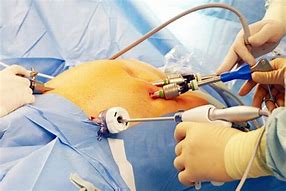
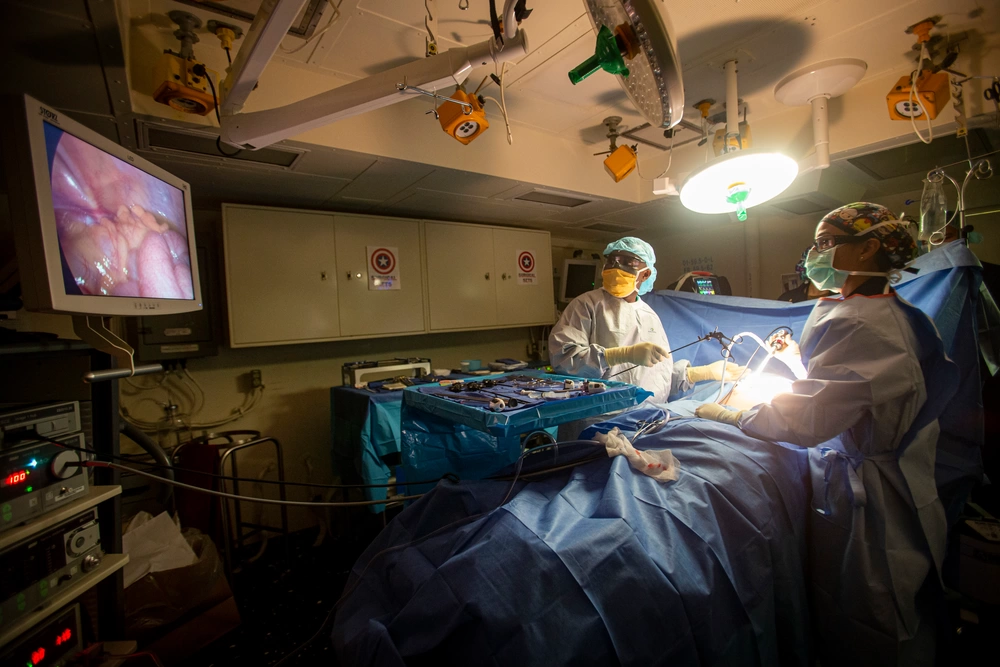
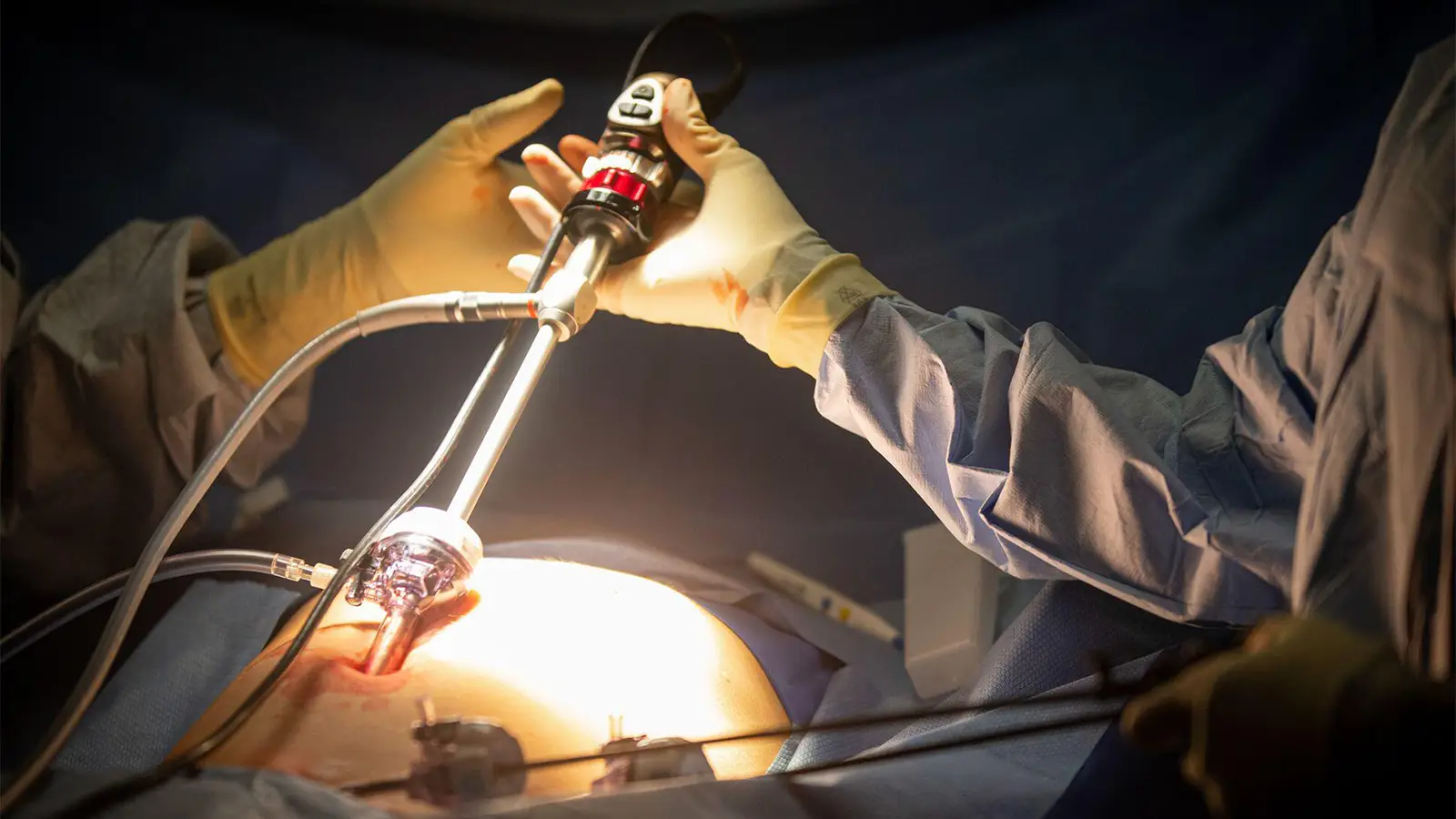
Laparoscopic appendectomy is done by making a few small incisions in the abdomen, through which a camera and surgical instruments are inserted. The surgeon uses the camera to see inside the abdomen and guide the instruments to remove the appendix. The incisions are then closed with stitches or staples.
What are the benefits of laparoscopic appendectomy?
Laparoscopic appendectomy has many benefits over the traditional open appendectomy, which involves a larger incision in the abdomen. Some of the benefits are:
- Less postoperative pain and discomfort
- Shorter hospital stay and recovery time
- Lower risk of wound infection, bleeding, and hernia
- Better cosmetic outcome and less scarring
- Better visualization and diagnosis of other abdominal conditions
What are the risks of laparoscopic appendectomy?
Laparoscopic appendectomy is generally safe and effective, but like any surgery, it has some risks, such as:
- Bleeding
- Infection and inflammation of the abdomen (peritonitis)
- Blocked bowels
- Injury to nearby organs
- Blood clots
These risks are rare and can be prevented or treated by your surgeon.
How do I prepare for a laparoscopic appendectomy?
Before laparoscopic appendectomy, your surgeon will explain the procedure to you and answer any questions you may have. You will also have some tests, such as blood tests, urine tests, and imaging tests, to check your health and the condition of your appendix. You will be asked to stop eating and drinking for several hours before the surgery. You will also be asked to stop taking certain medications, such as blood thinners, aspirin, or anti-inflammatory drugs, that may increase the risk of bleeding. You will be given general anesthesia, which means you will be asleep and not feel any pain during the surgery.
What can I expect after a laparoscopic appendectomy?
After laparoscopic appendectomy, you will be taken to a recovery room, where you will be monitored for any complications. You may feel some pain, nausea, or bloating, which can be relieved by medication. You will be encouraged to get up and walk as soon as possible, to prevent blood clots and improve your bowel function. You will be given antibiotics to prevent infection and instructions on how to care for your incisions, such as keeping them clean and dry, changing the dressings, and avoiding swimming or bathing until they heal. You will also be advised on how to resume your normal activities and diet, such as avoiding heavy lifting, driving, or strenuous exercise for a few weeks, and eating high-fiber foods, drinking plenty of fluids, and avoiding alcohol and spicy foods. You will need to follow up with your surgeon, who will check your healing progress and remove your stitches or staples if needed.
How long does it take to recover from laparoscopic appendectomy?
The recovery time from laparoscopic appendectomy varies depending on your age, health, and the severity of your appendicitis. Most people can go home the same day or the next day after the surgery. You may need to take painkillers and antibiotics for a few days. You will also need to avoid strenuous activities, heavy lifting, and driving for a few weeks. You can resume your normal diet and activities gradually as you heal.
What are the alternatives to laparoscopic appendectomy?
The main alternative to laparoscopic appendectomy is open appendectomy, which involves a larger incision in the abdomen to remove the appendix. Open appendectomy may be preferred or needed in some cases, such as when the appendix is ruptured, gangrenous, or abscessed, or when the patient has obesity, pregnancy, previous abdominal surgery, or severe comorbidities. Open appendectomy may have longer operative time and cost, more postoperative pain and complications, and worse cosmetic outcome than laparoscopic appendectomy. Another alternative to laparoscopic appendectomy is antibiotic therapy, which involves treating the appendicitis with intravenous antibiotics alone, without surgery. Antibiotic therapy may be effective in some cases of uncomplicated appendicitis, but it may have a higher risk of recurrence, complications, and longer hospital stay than laparoscopic appendectomy. Antibiotic therapy is still controversial and experimental, and laparoscopic appendectomy remains the standard of care for appendicitis.
Conclusion
Laparoscopic appendectomy (LA) is a modern surgery that removes the appendix with minimal incisions. It has many benefits over the traditional open appendectomy (OA), such as faster recovery, lower infection, and better appearance. However, LA also has some challenges, such as abscess, organ injury, and increased cost. New techniques and technologies, such as SILA and NOTES, aim to improve LA. LA is the best option for most cases of appendicitis, but some people may need OA or antibiotic therapy. LA has a high success rate, but it varies depending on different factors. LA requires anesthesia and aftercare. LA is not for everyone. You should talk to your surgeon before LA.
Comments
Post a Comment